Geospatial Data Analysis for Retail Optimization
Project Overview
This project focuses on analyzing geospatial data using Python libraries such as GeoPandas and Folium. The goal is to map customer distributions, store locations, and traffic flows to identify optimal locations for new retail stores in New York City. By visualizing pedestrian counts and restaurant locations, we aim to provide actionable insights for optimizing store locations and marketing strategies.
Table of Contents
Introduction
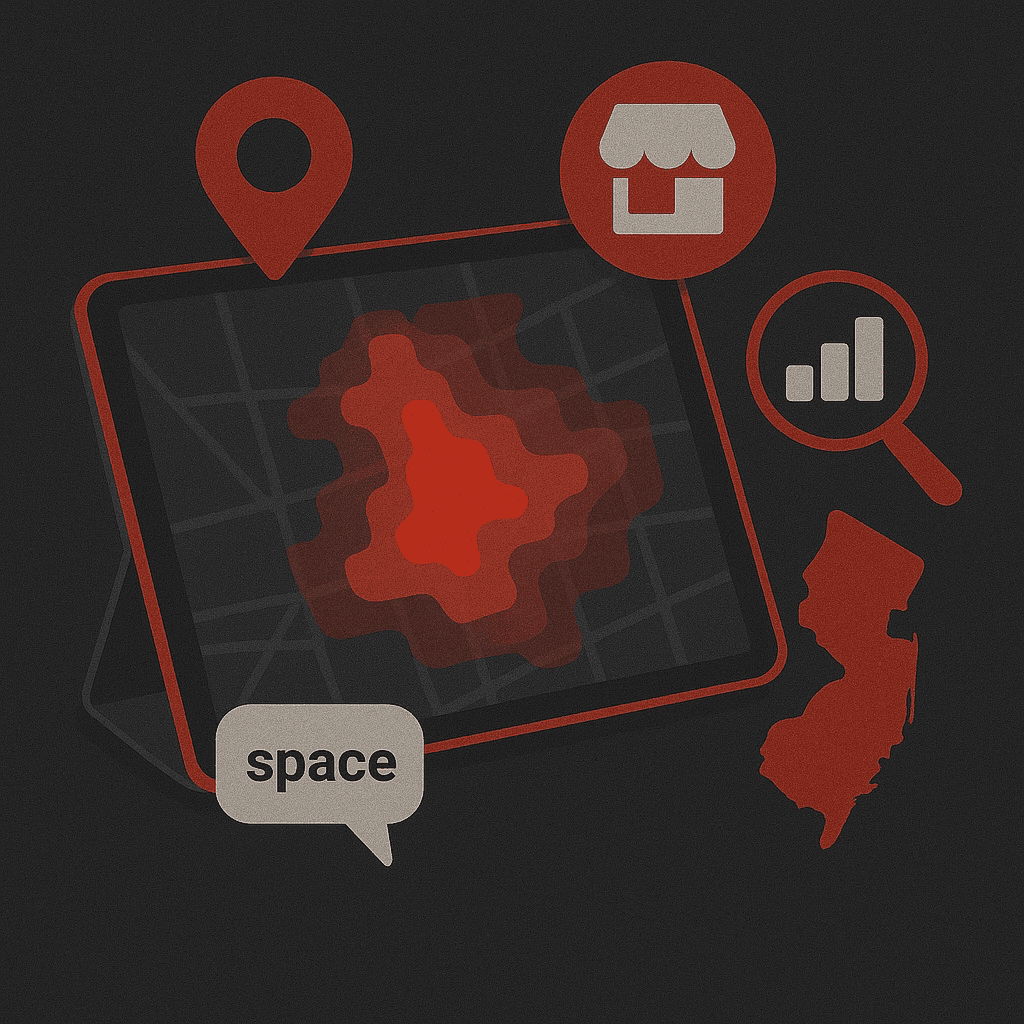
In this project, we conduct a comprehensive geospatial analysis using pedestrian count data, restaurant locations, and borough boundaries of New York City. The analysis includes creating heatmaps, interactive maps, and density plots to visualize foot traffic patterns and identify high-potential areas for new retail stores.
Data Sources
NYC Open Data: Bi-Annual Pedestrian Counts (link)
OpenStreetMap: Restaurant locations
NYC Borough Boundaries: GeoJSON file
Installation
To run this project locally, follow these steps:
Clone the Repository:
Create and Activate a Virtual Environment: python -m venv venv source venv/bin/activate # On Windows use
venv\Scripts\activateInstall the Required Dependencies
Features
Heatmaps: Visualize pedestrian counts across different time periods.
Interactive Maps: Explore foot traffic patterns and restaurant locations interactively.
Density Plots: Identify high-density areas for potential store locations.
Proximity Analysis: Analyze the distance between high foot traffic areas and existing restaurants.
Visualizations
Branding
Logo design, brand strategy, and visual identity development.
Development
Interactive and dynamic website development using Framer.